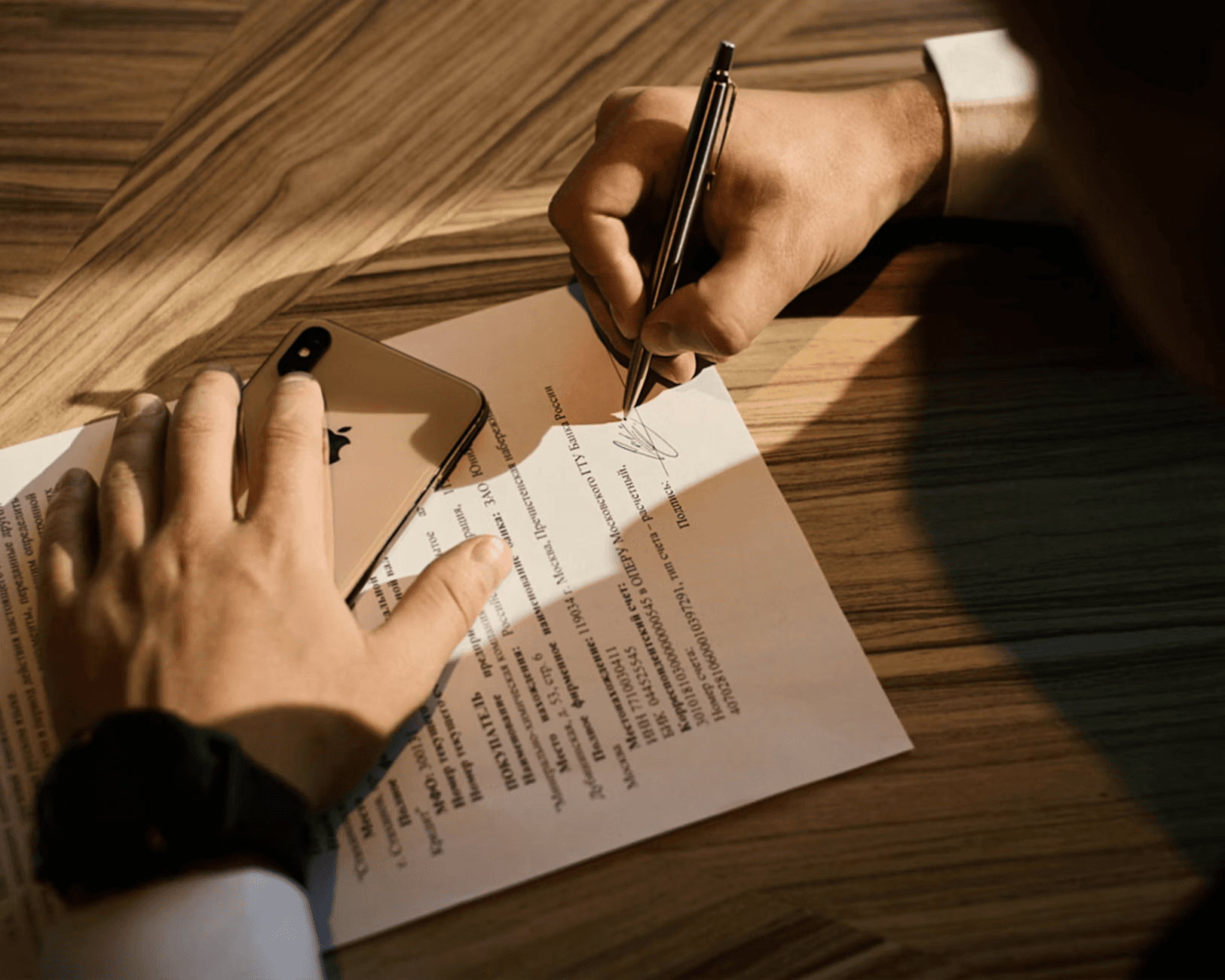
Wholesaling real estate is legal in every state. The catch is in how you do it.
Wholesaling means finding a property, signing a contract to buy it, then selling that contract to another buyer instead of buying the house yourself. You never own the home. You profit on the gap between the price you locked in with the seller and the price your buyer pays. The line between legal and illegal comes down to one thing: acting as a real buyer who sells a contract, versus marketing a property you don't own like an unlicensed agent.
Equitable interest is what makes the contract yours to sell
Signing a valid purchase agreement gives you equitable interest, the right to buy the property, not ownership of it. That right has value, and selling it is legal wholesaling. Advertising the house itself on the seller's behalf, without owning it and without a license, is illegal brokering. A broker is licensed by the state to sell property for other people. Advertise a house you don't own and collect a fee for it, and several states will treat that as brokering without a license. The stricter states exist to make sure sellers understand which of those two things is actually happening.
Step 1: Pick a structure before you market anything
Three structures cover almost every legal wholesale deal.
| Structure | How it works | Best for |
|---|---|---|
| Assignment of contract | Sign as buyer, then transfer your rights to the end buyer via a one-page assignment document | Standard deals, least cash and friction |
| Double closing | Actually buy the property, then resell it in a second, separate transaction, often same day | States that scrutinize assignment marketing specifically |
| Novation | Replace yourself in the original contract with a new buyer, with the seller's written consent | Deals where you improve the property and list it publicly, including on the MLS |
Assignment is where most beginners start. Double closing costs more, since you pay closing fees twice, but it helps in states that restrict how assignment deals get advertised, because you genuinely hold title before you ever market the property. It isn't a universal workaround. North Carolina and Oklahoma have both explicitly redefined wholesaling to include double closing, closing that loophole entirely in those two states. Novation works differently: instead of acting purely as a buyer, you work with the seller to prepare the house for sale and can market it openly.

The baseline that holds almost everywhere
Sign a purchase contract as the buyer, market your equitable interest to a private list of cash buyers, assign it for a fee. Advertise the actual property to the public, or take a fee for selling someone else's house, and you risk being treated as an unlicensed broker. Novations and public marketing generally require a licensed agent partner or a license of your own. Structure your contracts to match your state's rules before you start marketing, not after.
A handful of states need closer attention in 2026
Most states permit wholesaling with standard disclosure, telling the seller what you're doing. These are the exceptions.
South Carolina still allows wholesaling, and assigning a contract is explicitly legal there, the law's definition of wholesaling specifically excludes assignment. What's banned is marketing a property you don't own, treated as brokerage, and the rule covers social posts, private email lists, flyers, phone calls, and word of mouth, not just public listings. Two paths work: double close before advertising, so you're marketing a house you own, or skip public marketing entirely and match the deal privately through a cash buyer you already know. Licensed agents in South Carolina cannot assist wholesale deals, so leaning on an agent friend isn't an option there.
North Carolina closed the door further. Since October 1, 2025, House Bill 797 defines residential wholesaling, including double closing, as brokerage activity requiring a license, and gives homeowners a 30-day right to cancel the contract. There's no structuring workaround here. Get licensed, partner with someone who is, or don't wholesale in North Carolina.
Illinois counts your deals. One wholesale deal per rolling twelve months is allowed without a broker license. A second inside that window makes you a broker under state law, and the count aggregates across partners and companies you co-own, so two LLCs you share ownership in, each doing one deal, still counts as two. Penalties run up to $25,000 per violation. Kentucky redefined brokerage to include marketing an equitable interest, so public marketing there generally needs a license.
Oklahoma's SB 1075, effective November 1, 2025, requires written disclosure before signing any contract and gives sellers a two-day cancellation window, and it explicitly includes double closing in its wholesaler definition too, the same closed loophole as North Carolina.
A cluster of other states added disclosure or registration rules in 2025 and 2026. Connecticut requires wholesalers to register with the state, pay a fee, and give sellers a three-business-day cancellation window, effective July 1, 2026. Maryland, Tennessee, and North Dakota added disclosure rules of their own. The common thread: tell the seller you intend to assign or sell your interest, and in some states give them a short cancellation window. New York stays legal but carries teeth, since a seller who was misled can sue to recover several times the fee you collected.
New bills appear constantly, so treat any state summary here as a starting point, not the final word. The full rundown of 2025–2026 changes is in New Wholesaling Laws in 2026.
Compliance keeps you legal, the numbers decide the deal
Knowing you're allowed to wholesale in a market doesn't tell you whether a specific property is worth doing. That comes down to what the house is worth fully repaired (the ARV), what repairs will cost, and what you can pay and still profit. ChatARV returns an ARV and an offer from an address in about 60 seconds, so you walk into the seller conversation with your number instead of a guess.
FAQ
Is wholesaling real estate legal in all 50 states?
Yes, but with restrictions. Some states limit how you market the deal, a few cap how often you can do it without a license, and several require specific seller disclosures. Two states, North Carolina and Oklahoma, now require a license outright and cover double closing too. The activity itself, selling a contract rather than a property, is legal nationwide.
Do I need a real estate license to wholesale?
In most states, no, as long as you act as the buyer and market your contract rather than the property. Illinois caps you at one deal a year without one. North Carolina and Oklahoma now require a license regardless of which structure you use. South Carolina doesn't require a license to assign a contract, but its marketing rules are strict enough that many wholesalers there get licensed or partner with someone who is.
Does double closing get around these restrictions?
Sometimes. It helps in states that specifically scrutinize how assignment deals are advertised, since you briefly hold real title before marketing. It doesn't help in North Carolina or Oklahoma, where the law now defines wholesaling to include double closing directly, closing that workaround entirely.
Legal disclaimer: This article is for informational purposes only and does not constitute legal advice. Wholesaling laws vary by state and change frequently. For most deals, pulling the current statute directly from your state legislature's website is enough to confirm the rules that apply to you. On a deal large enough to justify the cost, or if your state's marketing restrictions are unclear for your specific situation, have a licensed real estate attorney review your contract language before you market it.
Walk into the seller conversation with a number
ChatARV returns an ARV and an offer from an address in about 60 seconds, so you know what you can pay before you lock up the contract.