
Wholesale Deal Analysis: Price Deals Faster With AI Comps
Learn how wholesale deal analysis works and see how ChatARV calculates ARV, repair costs, and MAO in 60 seconds so you can offer with confidence.

Wholesale deal analysis is the step that decides whether a contract makes you money or costs you a seller. In practical terms, it is the process of pulling comparable sales, calculating after repair value, estimating repairs, and arriving at a price you can defend on the phone. However, most wholesalers still do this by hand, which means the fastest-moving investor usually wins the contract, not necessarily the most accurate one.
Direct answer: Wholesale deal analysis is the method investors use to estimate a property's after repair value, as-is value, and rehab costs in order to set a maximum allowable offer. Done well, it takes minutes rather than hours and gives you a number you can present to a seller with confidence.
What Is Wholesale Deal Analysis?
Wholesale deal analysis is the set of calculations a wholesaler runs on a property before making an offer. Specifically, it combines a comparable sales search, an after repair value (ARV) estimate, an as-is value estimate, and a repair cost projection into one usable number: the maximum allowable offer (MAO).
In practice, that number has to hold up under pressure. Consequently, a thorough analysis also documents which comps were used and why, so you can explain the offer to the seller, to a cash buyer, and to anyone reviewing the assignment contract afterward.
Running a wholesale deal analysis on-site helps investors confirm numbers before presenting an offer.
Why Speed Matters When Analyzing a Wholesale Deal
In wholesaling, speed functions almost like currency. Therefore, the investor who can hand a seller a confident number before they finish their coffee is usually the one who gets the signature, not the one who calls back an hour later with a "better" number.
Traditional comping, however, is slow and inconsistent. Pulling listings, cross-checking square footage, and adjusting for condition by hand typically takes 20 to 30 minutes per property, and the result depends heavily on who is doing the work. As a result, two analysts working the same deal can land on offers that differ by thousands of dollars. For a closer look at how offers get structured once the numbers are in, see this guide on how to make offers on wholesale deals.
In contrast, AI-assisted analysis standardizes the process. ChatARV, for example, reviews hundreds of properties to surface the six closest comparable matches, weighing proximity, recency, and condition automatically, then adjusts for square footage, bedroom and bathroom count, and lot size before a human ever opens a spreadsheet.
Key Numbers Every Wholesale Property Analysis Needs
A complete analysis rests on three figures working together. Above all, none of them is useful in isolation; the offer only makes sense once they are combined.
After Repair Value (ARV)
ARV estimates what the property will sell for once renovated to match the condition of your comps. If you want a deeper breakdown of how this figure gets calculated, this ARV calculator guide for real estate investors walks through the math step by step.
As-Is Value
As-is value reflects what the property is worth right now, in its current condition. Similarly to ARV, it is derived from comps, but those comps are pulled from properties sold without major renovation.
Repair Cost Estimate
This is the gap between as-is and after-repair condition, priced out room by room or by a per-square-foot range. Notably, this figure changes the most after a walkthrough, which is why recalculating quickly matters.
How to Analyze a Wholesale Deal in 5 Steps
Below is the repeatable sequence most experienced wholesalers follow, whether they are working by hand or with software.
- Pull the property details first, including the address, square footage, bedroom and bathroom count, lot size, and current condition, before searching for comparable sales.
- Gather three to six recently sold comparable properties nearby that closely match the subject in size and condition, prioritizing the most recent closings for accuracy.
- Calculate the after repair value by adjusting each comp for differences in square footage, bedrooms, bathrooms, and condition, then averaging the adjusted prices together.
- Estimate repair costs using a per-square-foot rehab range or a walkthrough-based scope that reflects the condition shown in your chosen comps.
- Calculate the maximum allowable offer by applying your target formula, such as ARV times a set percentage minus repairs and your assignment fee.
If you are still deciding whether wholesaling fits your goals compared to other strategies, this comparison of wholesaling versus flipping houses breaks down the trade-offs in more depth.
Common Mistakes in Deal Analysis for Wholesalers
Even experienced investors fall into predictable traps. For example, using comps that are more than six months old, or more than a mile away in a dense urban market, skews the ARV before adjustments even begin.
Underestimating repair costs is just as damaging. Specifically, wholesalers who eyeball a rehab scope instead of walking the property or applying a consistent per-square-foot range often discover the real number only after a buyer backs out mid-contract.
In addition, failing to document which comps were used and why makes it harder to defend the offer later. If a cash buyer or title company questions the number, having a clear, adjustable report on hand resolves the conversation quickly instead of stalling the closing.
Manual Comping vs AI-Powered Wholesale Deal Analysis
The table below compares the two approaches side by side.
| Factor | Manual Comping | AI-Powered Analysis |
|---|---|---|
| Time per report | 20 to 30 minutes | About 60 seconds |
| Consistency | Varies by analyst | Standardized every time |
| Non-disclosure states | Difficult without MLS access | Supported via MLS-sourced data |
| Recalculating after a walkthrough | Start over manually | Instant update |
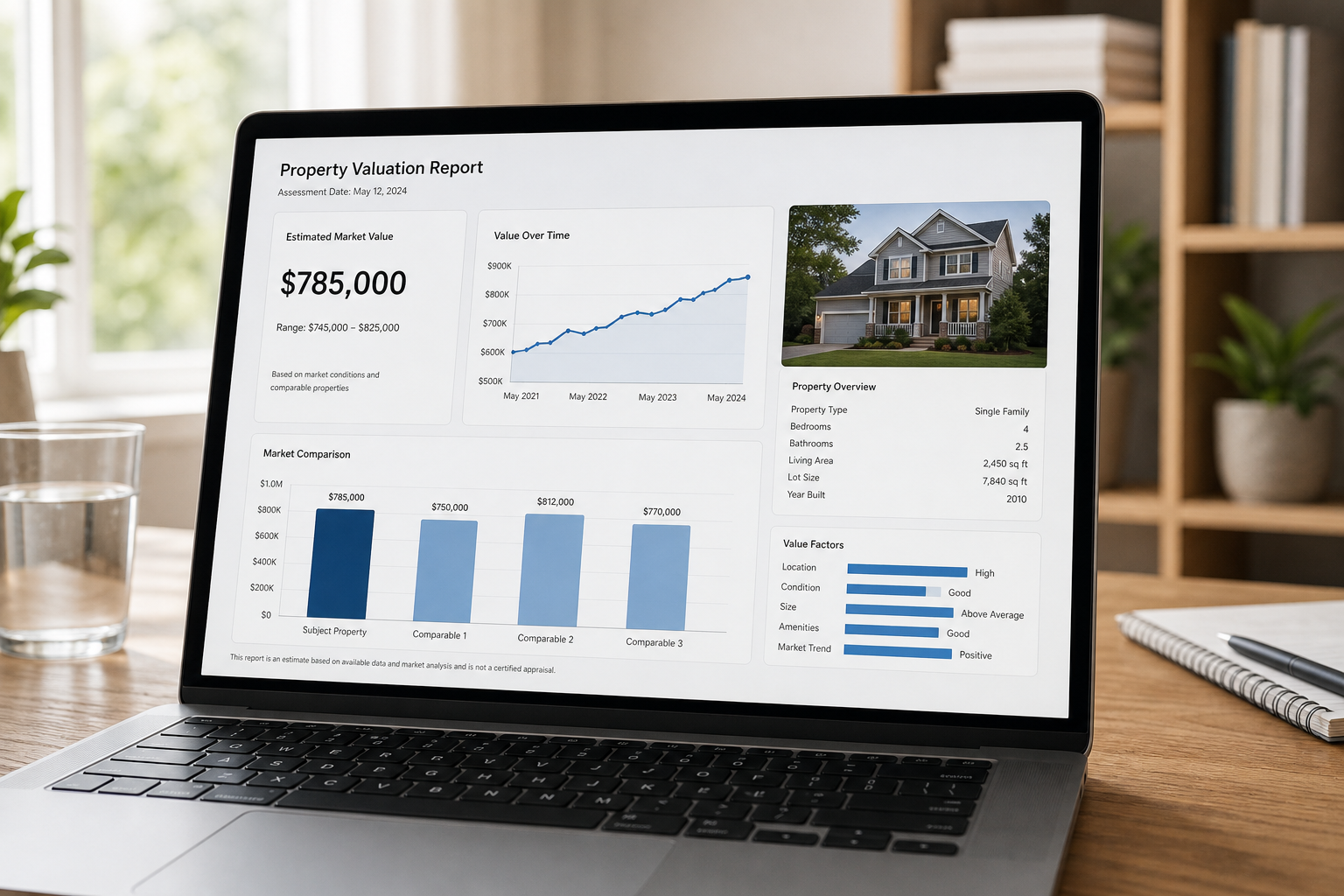
A finished report lays out comps, adjustments, and repair estimates in one place.
How ChatARV Supports Faster Deal Analysis for Wholesalers
ChatARV was built specifically around the question wholesalers ask most: what should I offer? Instead of a generic agent tool with investor features bolted on, every report centers on the ARV range, the comps used, and a full breakdown across exit strategies, including wholesale MAO, flip profit, buy-and-hold cash flow, and BRRRR projections.
Because the full analysis takes about a minute, users routinely give sellers a real offer during the first phone call. Chris Turney of Fortis Valorem describes using the platform daily: "I'm on it every day… I can give sellers an offer on the same call." When a property he was evaluating turned out to need a full gut, he updated the repair scope inside the report, watched it recalculate to $88,000 instantly, and used that revised analysis to renegotiate and land a $35,000 assignment fee.
Coverage extends to all 12 non-disclosure states, where sale prices are not publicly recorded. Therefore, investors do not need their own MLS access to run accurate comps. More than 20,000 active users rely on the platform nationwide, according to ChatARV's own usage data, and investors who have tested it against other tools describe it as the most consistent valuation option they have used. You can see the full workflow at chatarv.ai.
For wholesalers weighing whether this strategy fits their market or budget, it helps to start with the fundamentals in what wholesale real estate is and how wholesalers make money, or the realistic breakdown in whether you can really wholesale real estate with no money.
Documenting and Sharing Your Wholesale Deal Analysis
Once the numbers are set, the report itself becomes a working document. In particular, a clean, shareable version lets you send it to a cash buyer, drop it into your underwriting sheet, or reference it if a seller asks how you arrived at the price.
Comps can be toggled on or off, swapped, or supplemented with your own custom comparables when local knowledge suggests a better match than the automated selection. As a result, investors keep final control over the number while still benefiting from the speed of automation.

A fast, well-documented wholesale deal analysis makes it easier to close the conversation at the kitchen table.
Frequently Asked Questions About Wholesale Deal Analysis
What is wholesale deal analysis?
Wholesale deal analysis is the process of estimating a property's after repair value, as-is value, and repair costs to determine a safe contract price and assignment fee. It gives wholesalers the numbers needed to make a defensible offer to a seller.
How long does wholesale deal analysis take?
Manually, a thorough analysis typically takes 20 to 30 minutes of pulling comps and running calculations by hand. AI-powered tools like ChatARV can complete the same analysis in about 60 seconds.
Why is wholesale deal analysis important for wholesalers?
It protects your margin by preventing overpayment while keeping your offer competitive enough to win the contract. A wrong number in either direction can cost you the deal or your assignment fee.
How do you calculate ARV in a wholesale deal analysis?
After repair value is calculated by finding three to six recently sold comparable properties, adjusting each for differences in size, condition, and features, then averaging the adjusted sale prices. The result represents what the property should sell for once fully renovated.
What's the difference between ARV and as-is value?
ARV reflects the property's value after repairs are complete, while as-is value reflects what it would sell for in its current condition. Wholesalers use both figures to understand the gap repairs need to close.
How much does wholesale deal analysis software cost?
Pricing varies by platform and the number of reports included, ranging from pay-per-report options to monthly subscriptions. Compare the cost against the 20 to 30 minutes of manual time a report saves on every deal.
What is the 70% rule in wholesale deal analysis?
The 70% rule is a quick formula that caps the purchase price at 70% of ARV minus estimated repair costs. It is a useful starting point, but it should be adjusted based on local market conditions and exit strategy.
Can you run wholesale deal analysis in non-disclosure states?
Yes, though it requires tools that pull MLS-sourced transaction data rather than relying on public sale prices alone. Platforms built for this, including ChatARV, support all 12 non-disclosure states.
What mistakes do new wholesalers make when analyzing deals?
Common mistakes include using comps that are too old, too far away, or in noticeably different condition, and underestimating repair costs. Both errors distort the ARV and lead to offers that either lose the deal or kill the margin.
What's the best way to estimate repair costs quickly?
Start with a per-square-foot range for the rehab scope, then adjust after a walkthrough confirms the actual condition. Tools that let you update the scope and instantly recalculate the offer prevent renegotiation surprises later.
How many comps should you use for an accurate analysis?
Most reliable analyses use three to six comparable sales that are recent, nearby, and similar in condition and size. Fewer comps increase risk of a skewed number, while too many can dilute relevance.
Can AI replace manual comping entirely?
AI can automate comp selection and adjustments consistently, but investors still benefit from reviewing and swapping comps based on local knowledge. The strongest approach combines AI speed with human judgment on edge cases.
How does wholesale deal analysis differ from flipping analysis?
Wholesale analysis centers on the maximum allowable offer and assignment fee, while flip analysis adds holding costs, financing, and sale costs to project net profit. Both rely on the same underlying ARV and repair estimates, as explained further in Investopedia's overview of after repair value.
Final Thoughts on Wholesale Deal Analysis
Wholesale deal analysis ultimately comes down to confidence under time pressure. However, that confidence only holds up when the underlying comps, ARV, and repair estimates are accurate and consistent from one deal to the next. Whether you run the numbers manually or lean on a tool like ChatARV, the goal is the same: a price you can defend the moment you say it out loud.
As markets shift and non-disclosure states remain tricky for manual research, standardizing how you analyze deals matters more each year. For background on how real estate professionals typically approach home valuation and transactions, HUD's consumer resources on buying and selling a home and Wikipedia's overview of real estate flipping offer useful context alongside wholesale-specific tools.
