
AI Real Estate Valuation: How It Works & Why It Wins
AI real estate valuation finds comps and calculates ARV in minutes. See how ChatARV turns property data into a confident offer—try it free today.

AI real estate valuation is the use of machine learning and sold-comp data to estimate a property's current value, After Repair Value (ARV), and repair costs in minutes instead of hours. For wholesalers and investors, speed is leverage: whoever hands a seller a confident, defensible number first usually wins the contract. Traditional comping, however, requires digging through listings, cross-checking adjustments by hand, and trusting one analyst's gut feel. AI real estate valuation platforms remove that bottleneck by scanning comparable sales, weighing proximity and condition, and calculating a value range automatically — often before the seller finishes a cup of coffee.
Quick answer: AI real estate valuation analyzes recent comparable sales, adjusts for property differences, and produces an ARV and as-is value estimate in roughly 60 seconds — compared with the 20 to 30 minutes manual comping typically takes.
What Is AI Real Estate Valuation?
AI real estate valuation is a software-driven process that estimates what a property is worth right now, and what it could be worth after repairs, using algorithms instead of manual spreadsheet work. Specifically, the system reviews comparable sales ("comps") near the subject property, then applies consistent adjustments for differences in size, condition, and features.
Unlike a licensed appraisal, which involves a physical inspection and can take days, AI valuation runs entirely on data the platform already has access to. As a result, investors get a repeatable number on every deal, not just the ones they had time to research carefully.
How AI Real Estate Valuation Works, Step by Step
Behind every instant comp report, a structured process runs in the background. In particular, platforms like ChatARV follow a sequence that mirrors — and then accelerates — what a skilled analyst would do manually.
- Enter the property address so the system can pull public records and listing data automatically.
- The AI scans hundreds of nearby sold properties to build a pool of potential comparable sales.
- It ranks and narrows that pool down to the strongest comps by weighing proximity, recency, and condition.
- The algorithm adjusts each comp's value for square footage, bedroom and bathroom count, lot size, and condition.
- Finally, it calculates the ARV range, the as-is value, a repair estimate, and an offer for every exit strategy.
Fast AI real estate valuation lets investors review a full comp report before leaving their desk.
Why Automated Property Valuation Beats Manual Comping
Manual comping depends on who's doing it. One analyst might pull comps from three streets over; another might lean on outdated sales. Consequently, two people analyzing the same house can land on offers thousands of dollars apart. Automated property valuation removes that variability by applying the same logic every time.
In addition, speed compounds the advantage. Because a full analysis takes about a minute, investors routinely give sellers a real number while still on the phone — no "let me call you back" moment that hands momentum to a competing buyer. For a closer look at how automated and manual workflows compare side by side, see this comparison of ChatARV versus manual comps.
Automated valuation also extends into non-disclosure states, where sale prices aren't publicly recorded and investors have historically had to guess. Broader MLS-sourced data coverage means an investor doesn't need their own MLS access to run accurate numbers there.
AI Property Valuation Accuracy: What the Data Shows
Accuracy claims mean little without evidence, so consider a documented example. One investor using ChatARV found during a walkthrough that a property needed a full gut renovation, far more than the initial estimate assumed. After updating the repair scope, the AI recalculated the ARV to $88,000 instantly. The investor then used that revised number to renegotiate the deal and secure a $35,000 assignment fee — a result that would have been far harder to defend with a stale, manually produced estimate.
Beyond individual case studies, scale matters too. ChatARV is currently used by more than 20,000 active users across the U.S., which gives the underlying models continuous exposure to real transaction outcomes across diverse markets. The table below summarizes how manual and AI-driven comping typically compare.
| Factor | Manual Comping | AI Real Estate Valuation |
|---|---|---|
| Typical turnaround | 20–30 minutes | About 60 seconds |
| Consistency across analysts | Varies by person | Same logic every time |
| Non-disclosure state coverage | Requires MLS access | Built-in, no MLS needed |
| Exit-strategy breakdowns | Calculated separately | Generated together automatically |
Machine Learning Models Behind Modern Property Valuation
At the core of most AI valuation tools sits an automated valuation model, a category of software recognized by federal consumer-finance regulators as a statistical tool used to estimate property value using available market data. Therefore, understanding how these models weigh comps helps investors trust — and explain — the numbers they generate.
Specifically, the model typically scores each candidate comp on proximity to the subject property, how recently it sold, and how closely its condition matches. Similarly, the Wikipedia overview of real estate appraisal explains why comparable sales analysis has long been the backbone of valuation, whether performed by a human appraiser or an algorithm.
Supporting Every Exit Strategy
Because wholesalers, flippers, and buy-and-hold investors each need different numbers from the same property, a useful model doesn't stop at ARV. It should also produce a wholesale Maximum Allowable Offer (MAO), flip profit projections, buy-and-hold cash flow, BRRRR math, and creative-finance structures like novation — all from one address lookup. For a deeper breakdown of how ARV feeds into offer math, this ARV calculator guide for real estate investors walks through the formulas in more detail.
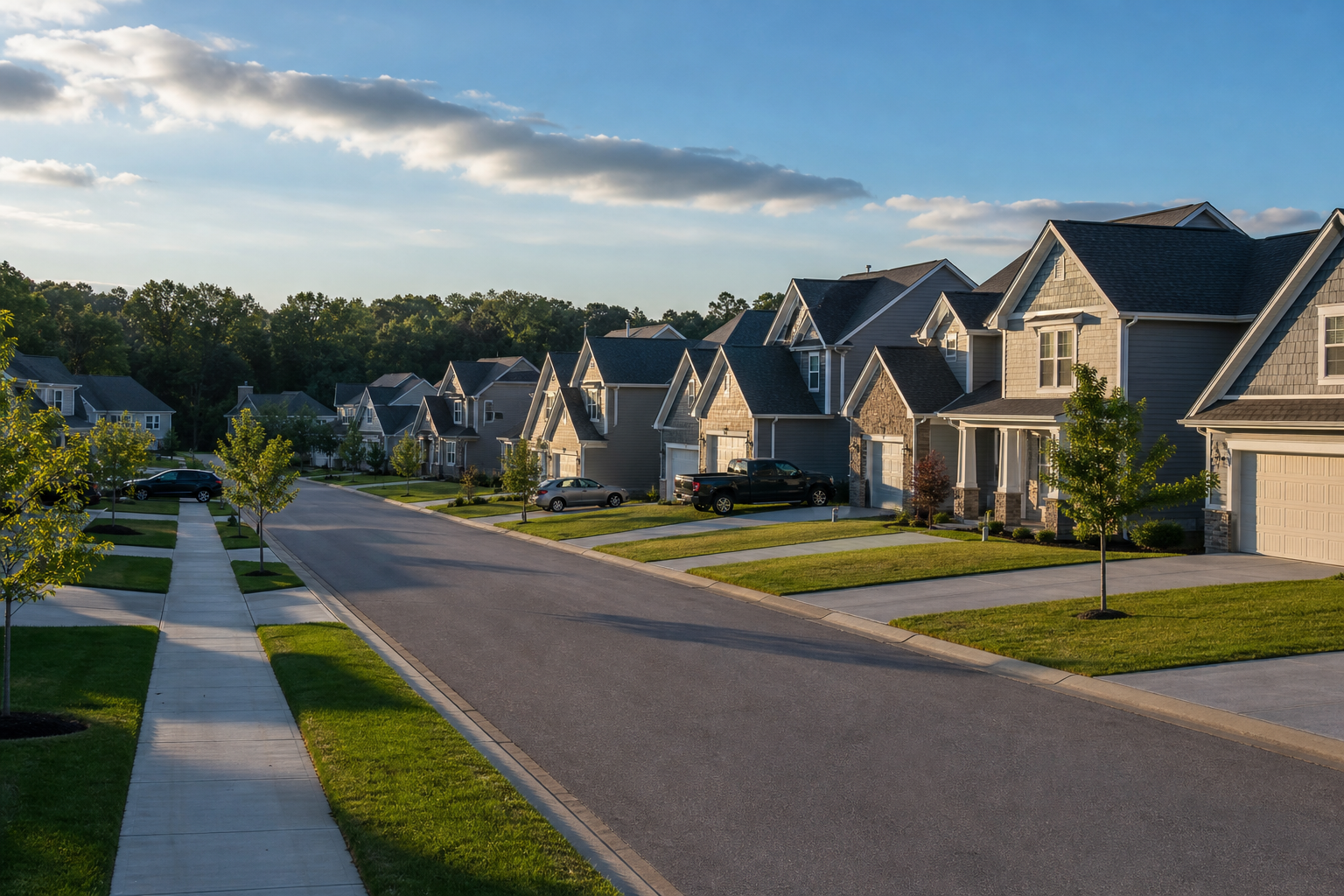
Nearby, recently sold homes like these form the backbone of any AI real estate valuation report.
How to Choose an AI Real Estate Valuation Platform
Not every valuation tool is built for investors. Above all, a platform should be designed around the question that matters most: what should I offer? That means the report should show the ARV range, the exact comps used, and every adjustment applied, rather than just a single number.
Furthermore, look for the ability to toggle comps on or off, swap in your own comparables, and recalculate instantly when a repair scope changes after a walkthrough. Transparency about how the AI reaches its numbers matters too; ChatARV publishes its approach on its AI transparency page, which outlines how comps are sourced and weighed.
Finally, consider whether the tool fits your existing workflow. A report you can share directly with sellers, cash buyers, and partners saves time that would otherwise go into reformatting data across separate spreadsheets. You can see this approach in practice at chatarv.ai, where comp reports are built to plug directly into underwriting and deal sheets.
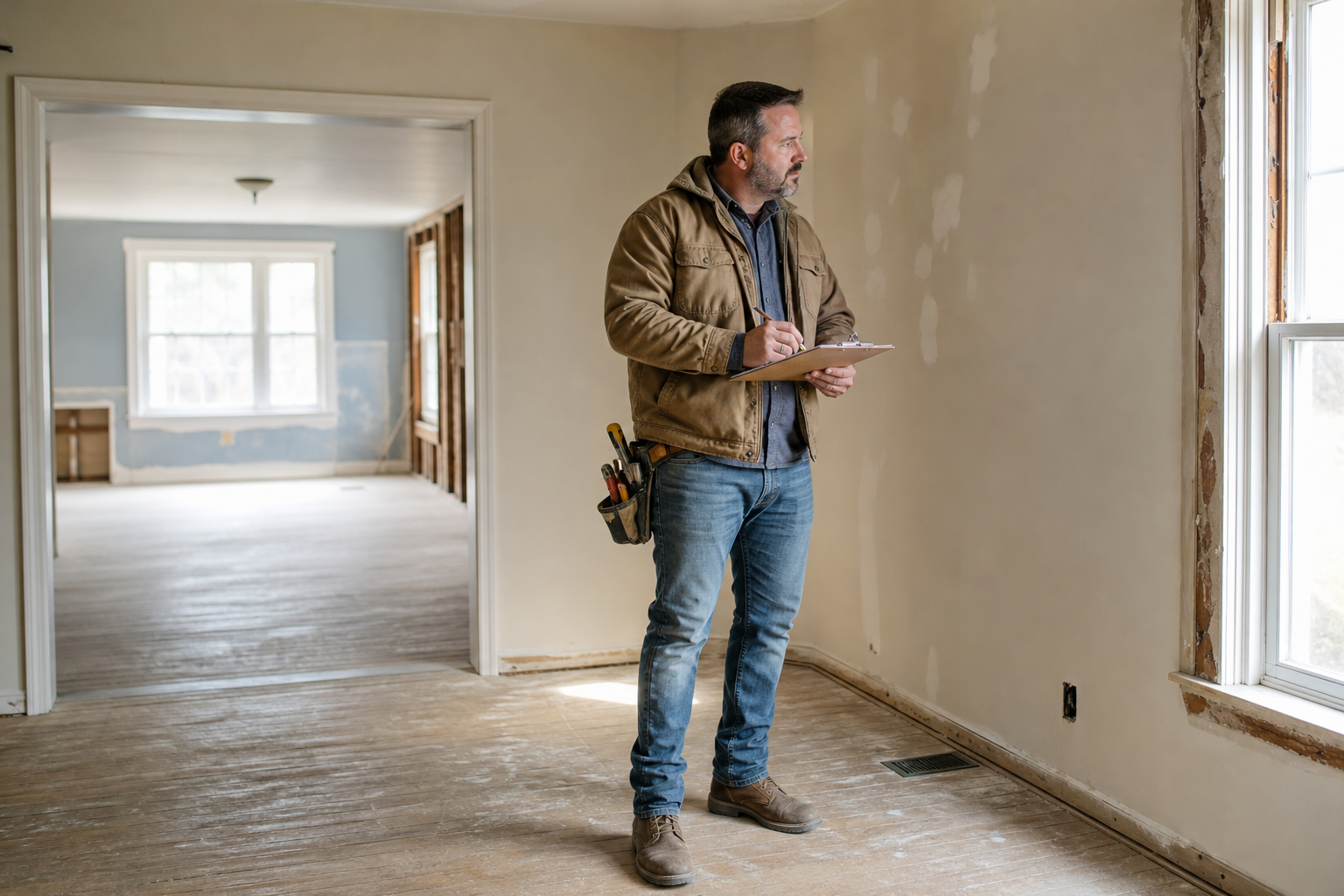
Updated repair estimates feed directly back into the AI real estate valuation model for a revised ARV.
Frequently Asked Questions About AI Real Estate Valuation
What is AI real estate valuation and how does it differ from a traditional appraisal?
AI real estate valuation uses machine learning to analyze comparable sales and property features, producing a value estimate in minutes. A traditional appraisal relies on a licensed human appraiser who physically inspects the property, which typically takes days to weeks and costs several hundred dollars.
How accurate is AI real estate valuation compared to manual comps?
AI real estate valuation is often more consistent than manual comping because it applies the same adjustment logic to every property rather than relying on one analyst's judgment. Accuracy still depends on data quality, so tools pulling from multiple MLS-sourced providers tend to produce tighter value ranges.
How long does an AI property valuation take?
A full AI property valuation, including ARV, as-is value, and repair estimate, typically takes about 60 seconds to generate. That compares to the 20 to 30 minutes manual comping usually requires.
What is After Repair Value (ARV) and how does AI calculate it?
After Repair Value, or ARV, is the estimated market value of a property once renovations are complete. AI calculates it by pulling recently sold comparable homes, adjusting for condition and features, and projecting a post-renovation value range.
Can AI real estate valuation work in non-disclosure states?
Yes, platforms with broad MLS-sourced data coverage can run AI real estate valuation in all 12 non-disclosure states even though sale prices aren't publicly recorded there. This removes the need for investors to maintain their own MLS access.
How much does an AI real estate valuation tool cost?
Pricing varies by platform and usage volume, with many tools offering tiered monthly plans based on the number of reports run. Compared to paying for individual appraisals or broker price opinions, AI valuation tools are generally far less expensive per property analyzed.
What's the difference between AI valuation and a traditional CMA?
A Comparative Market Analysis, or CMA, is usually prepared manually by an agent pulling a handful of comps by hand. AI valuation automates that same comp-selection process across hundreds of properties and applies consistent adjustments every time.
What common mistakes happen when relying only on manual comping?
The most common mistakes are pulling stale or distant comps, applying inconsistent condition adjustments, and running out of time to double-check numbers before an offer deadline. These errors can cause investors to overpay or lose deals to lowball offers.
Can I adjust comps or repair costs after the AI generates a report?
Yes, most AI real estate valuation platforms let users toggle comps on or off, swap in custom comparables, and update repair scope after a walkthrough. The report then recalculates ARV and offer numbers instantly.
Does AI real estate valuation replace a professional appraisal?
No, AI valuation is a fast decision-support tool for deciding on an offer price, not a substitute for a licensed appraisal a lender requires. Lenders typically still require a formal appraisal before closing.
What exit strategies can AI valuation support?
AI real estate valuation tools built for investors typically generate numbers for wholesale assignment, novation, fix-and-flip, buy-and-hold, and BRRRR strategies from a single property analysis. Each strategy gets its own offer calculation based on the same underlying comps.
What's the best practice for using AI valuation reports with sellers and buyers?
Share the full comp report, not just the final number, so sellers and cash buyers can see exactly which properties and adjustments informed the value. Being transparent about the methodology builds trust and makes offers easier to defend during negotiation.
Final Thoughts on AI Real Estate Valuation
In the end, AI real estate valuation gives wholesalers and investors something manual comping rarely can: a fast, consistent, and defensible number on every single deal. Instead of spending 20 to 30 minutes digging through listings, an investor can review comps, ARV, and a full offer breakdown in about a minute, then update the numbers instantly as new information comes in from a walkthrough. As a result, the investor who moves first with a confident number is usually the one who wins the contract. Whether the goal is a wholesale assignment, a flip, or a BRRRR hold, choosing a platform built specifically around AI real estate valuation — like the one detailed at chatarv.ai — turns slow, inconsistent comping into a repeatable advantage.
